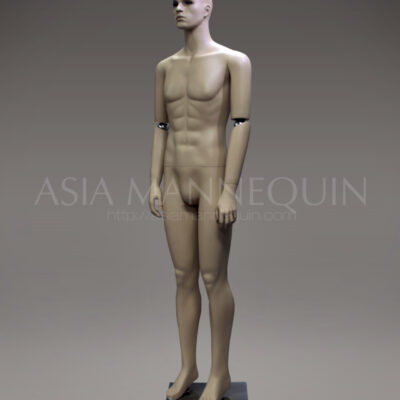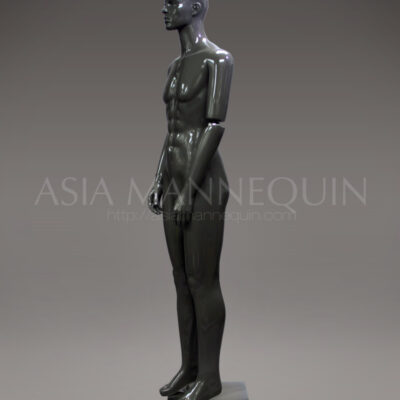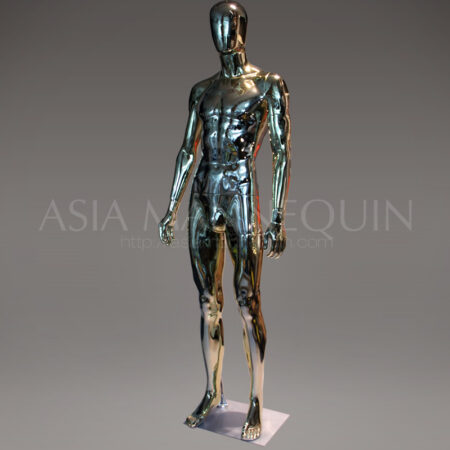
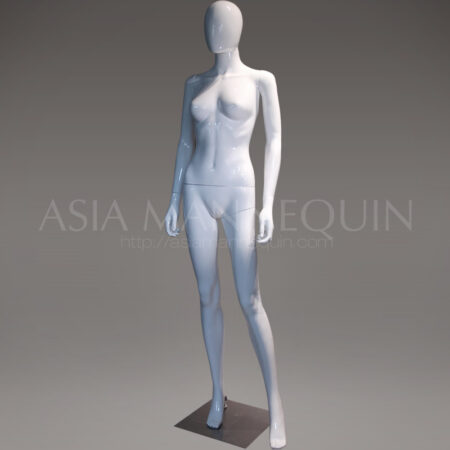
Adjustable mannequins move. Fixed-pose mannequins don’t. That’s the core difference, and it decides almost everything else: price, upkeep, and how many pieces you end up buying.
If you run one type of display and stick with it, a fixed-pose mannequin usually does the job for less money. If you change window looks often, or need a mannequin to hold an arm up, a leg forward, or a head turned, an adjustable one earns its keep.
Here’s what separates the two, and how to match one to your store.
The usual problem. Every catalogue shows the same white figure, and the price gap makes no sense from the photos. Buy the wrong type and you find out later: a pose you cannot change, or joints you paid for and never move.
How adjustable mannequins work
Adjustable mannequins have joints built into the body, usually at the neck, shoulders, elbows, hips, and sometimes knees and wrists. Each joint lets you rotate or bend that part of the body and lock it into a new position.
This means one mannequin can hold many different poses over its life. A single arm can point at a bag, rest on a hip, or hang straight down, all on the same body.
The trade-off is visible. A joint needs a seam or connection point where two parts meet, so the body isn’t one smooth surface. Up close, you can usually see where the joint sits. The mechanism inside also adds weight and cost compared with a solid mannequin of the same size.
How fixed-pose mannequins work
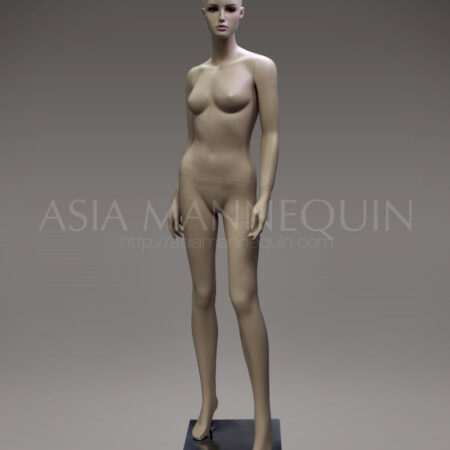
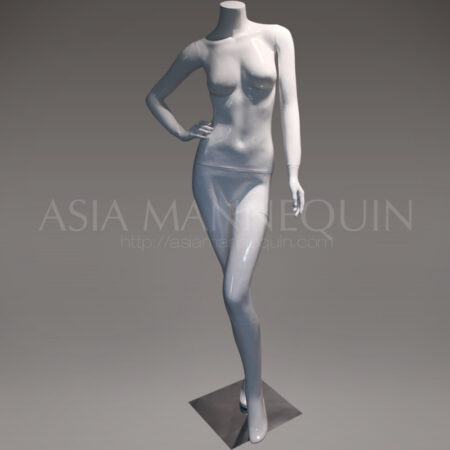
A fixed-pose mannequin is molded or sculpted in one stance and stays that way. There’s no joint to loosen, no seam to hide, and no moving part to maintain.
Because the body is one continuous shape, the surface is smoother and the silhouette is cleaner. That’s why fixed-pose mannequins are common for garments where the line of the fabric matters most, like tailoring or eveningwear.
The catch is the pose is permanent. If you want a different stance, walking, seated, arms crossed, you need a different mannequin, not a repositioned one.
What drives the price gap
Adjustable mannequins cost more to make. Every joint is a separate part, and the body has to be engineered so those parts connect and hold a pose under the weight of real clothing. More parts and more engineering usually means a higher price.
Fixed-pose mannequins are simpler to produce: one mold, one shape, no internal mechanism. That simplicity is most of why they cost less.
Exact pricing depends on the finish, material, and size you need, so it’s worth asking for a quote rather than guessing from the category alone.
Which one fits your store
Match the mannequin to how often your display changes, not just to your budget.
Rotate window looks weekly or monthly: Adjustable mannequins let you restyle the same body into a new pose instead of buying a new mannequin for every look. Over a year, that can mean owning fewer mannequins overall.
Set a display once and leave it: Fixed-pose works well here. You’re not paying for flexibility you won’t use, and the cleaner silhouette suits garments that need to hang or drape without a visible joint line.
Multiple poses in the same room: Some stores mix both. Fixed-pose for the pieces that need a sharp line, like suits and gowns. Adjustable for pieces you want to style differently each season, like activewear and accessories.
Upkeep over time
Adjustable mannequins have moving parts, so joints can loosen with repeated repositioning, especially at the shoulder and hip where the weight of clothing pulls on the joint. Most joints can be tightened with a screwdriver, but it’s worth checking before every display change rather than after a mannequin has already slumped.
Fixed-pose mannequins have almost nothing to maintain beyond keeping the surface clean and free of scratches from handling. Fewer moving parts means fewer things that can go wrong.
The quick answer
Pick adjustable if you restyle often and want one body to do several jobs. Pick fixed-pose if you want a clean, permanent line and don’t need to change the pose.
Either way, the material, height, and finish matter as much as the joint question. It’s worth talking through your specific space and garments before you order.
Want help matching a mannequin type to your store layout? Get in touch and we’ll walk through what fits.
One body, many poses
Adjustable mannequins hold a new pose for every look, so one figure does several jobs.