



A wobbly mannequin makes a display look cheap, even when the outfit is perfect. Most wobbles come from one of three places: a loose base, a worn joint, or a bent pole. Here is how to find the cause and fix it.
The usual problem. One mannequin on the floor has a lean, and customers clock it before they see the outfit. You tighten the screw, it holds for a day, then the wobble is back. The fix starts with knowing which part is actually loose.
Start with the base plate
Turn the mannequin over, or kneel down, and check the base plate against the floor. Metal base plates on retail mannequin stands usually have either adjustable feet or a flat bottom with a locking screw in the centre pole.
- If the floor is uneven, the base rocks even when the stand itself is fine. Test it on a flat section of floor before touching any screws.
- If the base plate is cracked or bent, tightening won’t help. A bent base needs replacing.
Tighten the pole and locking screws
Most stands hold the pole in place with one or two set screws: a thumbscrew you turn by hand, or a hex screw that needs an Allen key.
- Find the screw where the pole meets the base.
- Turn it clockwise with the right size Allen key or screwdriver. If it won’t turn, stop and check the thread rather than forcing it.
- Check further up the pole, where it meets the body support. Many stands have a second locking point here.
A stand that tightens fine but loosens again within a day or two usually has a worn or stripped thread, not just a loose screw.
Fix a stripped screw thread
A stripped thread is the most common repair on an older stand. The screw turns but never grips.
- A replacement screw one size up often catches metal the original thread missed.
- Thread-locking fluid, sold at any hardware store, can stop a screw from working loose under normal handling.
- If the hole itself has worn round, a threaded insert kit for metal restores the grip. It’s a short job with a small hand tap.
Check the joint where the body meets the pole
Torso and full-body mannequins connect to the pole through an internal fitting, usually a metal rod or socket built into the fibreglass or resin body. Wobble here feels different from a loose base: the body itself rocks on the pole even when the base sits solid.
- Look inside the base of the torso, or where the leg meets the foot plate, for a visible crack in the fibreglass.
- A hairline crack can sometimes be stabilised with a two-part epoxy made for fibreglass repair, packed into the crack and left to cure fully before the mannequin goes back on the floor.
- A snapped internal rod is not a repair job. That fitting carries the weight of the whole body, and a failed one will fail again under the same load.
When to stop repairing and replace the stand
Repair the base, the screws, and small cracks. Replace the whole stand when:
- The main support rod inside the body has snapped.
- The base metal is bent out of shape rather than just loose.
- The same joint has been retightened three or four times and keeps failing.
A mannequin that falls on the shop floor is a hazard to customers and staff, not just a display problem. Take a failing stand out of use until it’s fixed or swapped.
A few minutes now saves a display later
Check stands on a rolling basis, not just when one falls over. Once a season, go through the floor and give each base plate and pole joint a quarter turn check. It takes a few minutes per mannequin and catches a loose screw before it becomes a cracked base.
Past repair? Start with a solid base
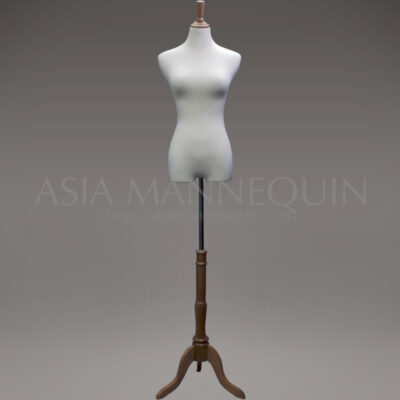
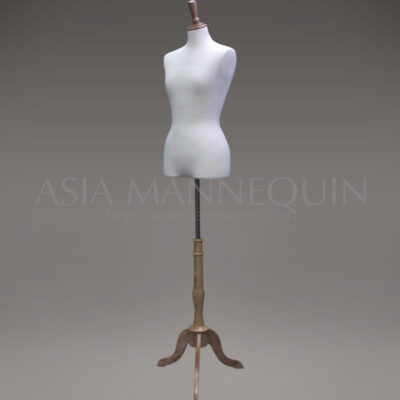
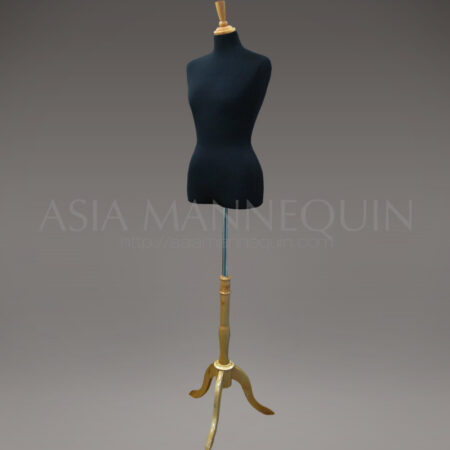
If the stand keeps failing, replacing it beats fighting it every season. Browse the wooden base torsos below.