

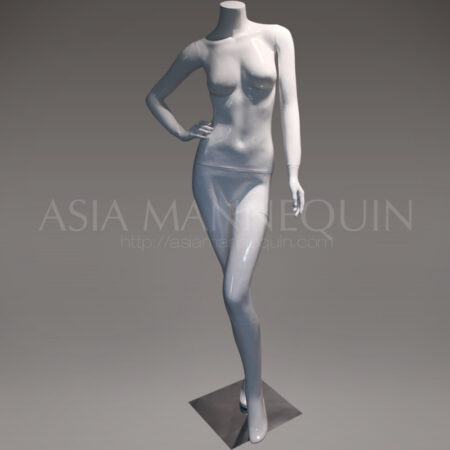
If your shop mostly sells tops, shirts, blouses, and tees, a torso on a base does the job in a fraction of the space a full figure needs. Buy a full mannequin when you sell complete outfits, or when you need a window that tells a story from head to toe.
Most shops that ask us this question end up with a mix: a couple of full figures where the drama matters, and a row of torsos doing the everyday work of showing the range.
Here’s how to split the job between the two, and where each one earns its spot on your floor.
The usual problem. A new shop prices out full mannequins for every display spot, sees the total, and gives up on figures altogether. The range ends up flat on tables and hangers, when a handful of torso forms would have put the stock on a body using far less floor space.
What a torso form does well
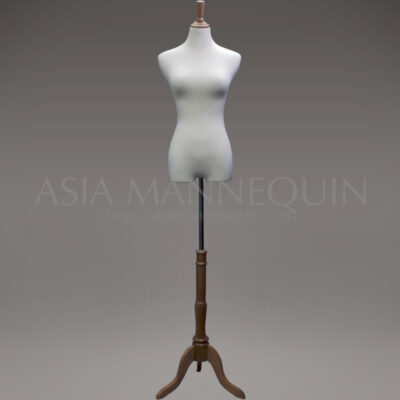
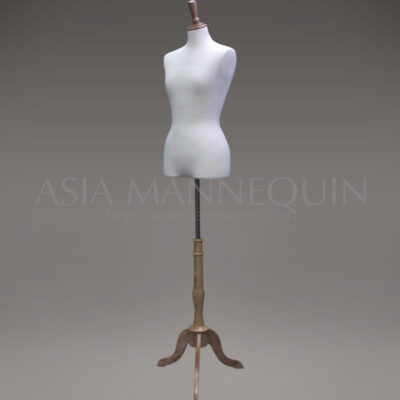
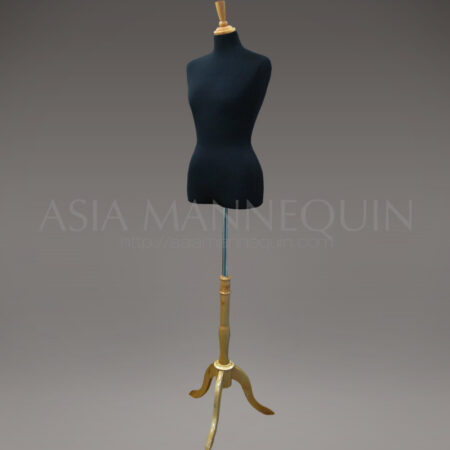
A torso shows a top the way a customer will actually wear it: filled out, hanging from the shoulders, sleeves falling where they should. On a counter, a shelf, or a tabletop, it works at eye level in a way folded stock never can. And its footprint is small enough that you can stand several in a row without eating into the walkway.
Torsos are also fast. Dressing one takes a fraction of the time a full figure needs. No balancing, no legs to thread trousers over, no lifting a body off its base. For a shop that changes displays weekly, that saved time adds up quickly.
They earn their keep at the counter most of all. A customer waiting to pay stands within arm’s reach of whatever the torso is wearing, and that minute of idle looking sells more add-ons than any poster will.
Where a full figure earns its place
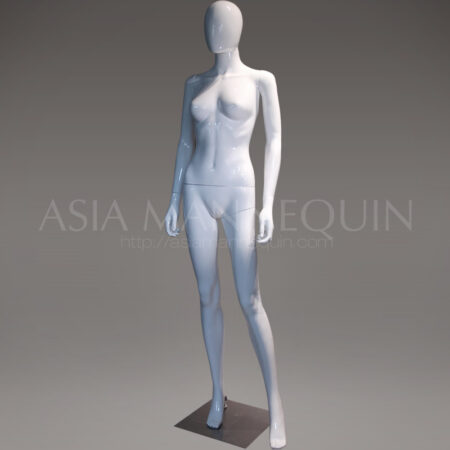
A full mannequin sells the outfit, not the item. Trousers, skirts and dresses need legs and length to hang properly, and a complete look, top, bottom, shoes and bag, only reads on a complete body. That’s what windows are for, and it’s why the window is where your full figures belong.
A full figure also carries presence. A dressed body at the entrance stops people in a way a torso on a shelf never will. If your shop sells looks rather than pieces, you need at least one or two, even in a small unit.
Height is part of that presence. A full figure puts the garment at standing eye level from across the shop, so the look reads from the doorway, not just up close. Torsos work close up. Full figures work at a distance.
Space is the deciding factor
In a small Singapore unit, floor space settles most of this argument. A full figure claims its patch of floor plus the clearance around it. A torso claims a stretch of counter or shelf you already have. If your unit is tight, torsos let you show more of the range without narrowing the aisles.
Think vertically too. Torsos work on plinths, shelves and counters at different heights, so one wall can carry several dressed bodies in the same footprint where a single full figure would have stood alone.
When a torso isn’t enough
Some pieces simply fail on a torso. Dresses lose their length. Jumpsuits have nowhere to go. Structured jackets can sit oddly on a form without arms, shoulders right but sleeves hanging empty. If those pieces lead your range, weight your buying toward full figures instead.
The reverse is true too. A full mannequin dressed in nothing but a t-shirt looks underused, bare legs and all. Put the simple pieces on torsos and save the full bodies for the looks that use every inch of them.
Pick the base to match the shopfit
Torso forms come on different bases, and the base sets the tone. A wooden tripod base reads warm and classic, right at home in boutiques and heritage-styled shops. A steel base reads clean and modern. Transparent and hanging versions disappear almost entirely and let the garment float on its own.
Match the base to your fixtures, not to the garment. If your rails and tables are timber, wooden bases tie the whole display together. Mixing base styles inside one zone has the same scattered effect as mixing mannequin finishes.
How the two work together
- Window: one or two full figures dressed in complete looks, changed with the season.
- Entrance table: a torso wearing the week’s hero top, at eye level as customers walk in.
- Back wall and shelving: torsos in a row, showing the depth of the range at a glance.
- Counter: one torso in the piece you most want asked about, right where people pay.
- Fitting-room corridor: a torso in the piece that pairs with your best seller, catching people already in a trying-on mood.
The quick answer
Sell tops? Start with torsos and add one full figure for the window. Sell outfits? Start with full figures and use torsos to show the range. Tight on space? Torsos first, always. The two aren’t rivals, and most good floors run both.
Not sure how many of each your unit can take? Get in touch with your floor size and we’ll suggest a split that fits.
Tops, shown the way they’re worn
Wooden base torsos put shirts and blouses on a body without claiming floor space.