
Most small shops run well on three to five mannequins. That’s one or two in the window, two on the shop floor, and one spare in the back for changeovers. The number grows with your window length and your floor area, not with how many garments you carry.
The mistake we see most often is buying by excitement instead of by floor plan. A shop orders eight figures because the catalogue looked good, then discovers the window only holds two before it starts to look like a queue at a bus stop.
Here’s how to work out your number before you order, zone by zone, the same way we walk customers through it in person.
The usual problem. Mannequins get bought one at a time, over years, from different suppliers. The result is a floor where no two figures match in pose, finish, or height, and the display looks secondhand even when the stock is brand new.
Start with the window
The window is the most valuable space you have, and it sets your first number. Stand outside your shop and look in the way a passerby would. A narrow shophouse window usually carries one figure well, and two at a squeeze. A wide mall frontage can take three before the figures start fighting each other for attention.
Space between figures matters more than the count. A window with one mannequin and room around it sells the outfit. A window with four figures shoulder to shoulder sells nothing, because a passing eye has nowhere to land. When in doubt, put in fewer bodies and give each one more room to breathe.
One figure per story on the floor
Inside the shop, think in stories, not in bodies. Each mannequin on the floor should show one complete look you want customers to copy. The workwear story near the entrance. The weekend story beside the fitting rooms. Count the stories your floor can hold, and that’s your floor number.
For most small units that comes to two or three spots: the entrance, a mid-floor feature, and maybe the back wall. Push past that and the figures start blocking walkways. In a small Singapore unit, every foot of clear aisle earns its keep, and a mannequin standing in the path costs you more than it sells.
Always keep one spare
The spare is the mannequin nobody budgets for and everyone ends up needing. Changeover day goes twice as fast when you can dress the spare in the back room, carry it out, and swap it with the figure on display. The figure that comes off the floor gets undressed and redressed at leisure, not in front of customers.
A spare also covers you when something breaks. Arms crack, fittings wear, bases give way. With a spare you swap the figure and carry on trading. Without one, you have an empty window until a replacement arrives, and an empty window is the most expensive kind of empty in retail.
Match the count to your shop type
Different setups need different numbers. Use these as starting points, then adjust for your own layout and how often you change displays.
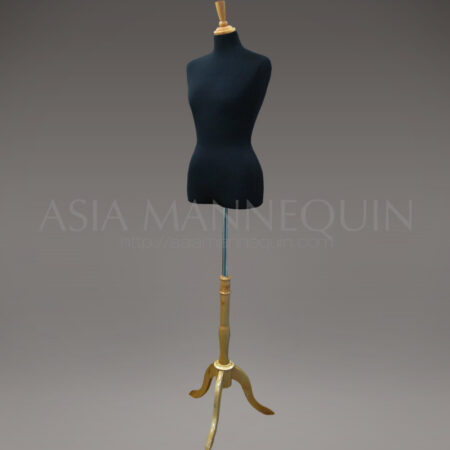
- Pop-up booth or bazaar stall: one or two torso forms and at most one full figure. Space is tight and you’ll be packing up and moving often.
- Single shophouse or small mall unit: three to five figures. One or two in the window, two on the floor, one spare in the back.
- Large-format store: count zone by zone. Each department gets its own window-and-floor number, then add spares as a shared pool rather than one per zone.
The signs you need one more
Add a mannequin when a selling story has nowhere to stand. If your new arrivals sit folded on a table because every figure is already dressed, that’s a missing body. If changeovers keep slipping to next week because there’s no spare to pre-dress, that’s a missing body too.
Don’t add one just because a corner looks empty. A mannequin with no story to tell is clutter, and clutter in a small shop is expensive. Fill an empty corner with a rail or a shelf that carries stock instead, and save the figure for a look worth copying.
Buy the set together if you can
Figures bought together match. Same finish, same pose family, same base, same mold. Figures bought one a year drift apart, and the drift shows across the floor. If your plan says five, buy the five in one order, or at least stay within one line so later additions still sit comfortably next to the first ones.
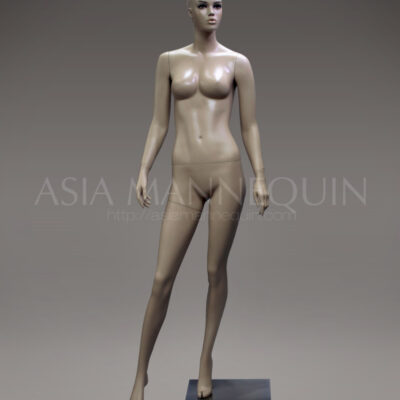
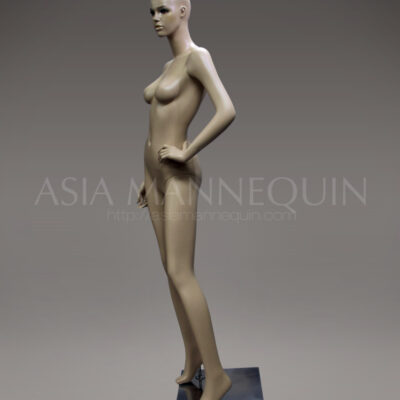
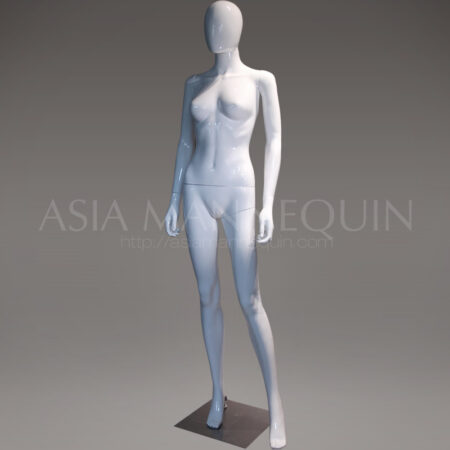
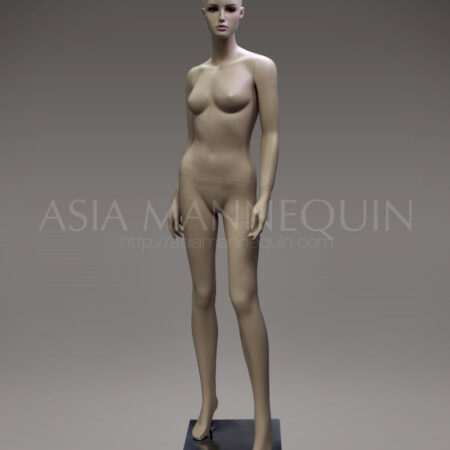
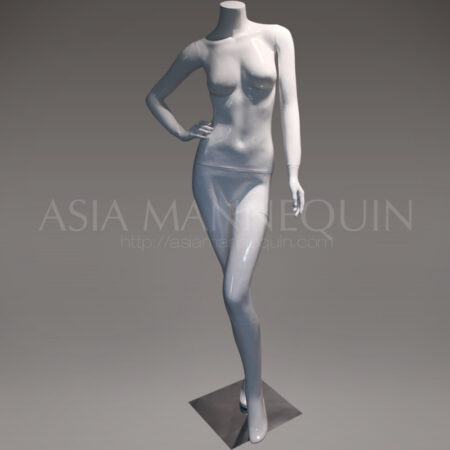
In most Singapore fashion shops the female figures do the heaviest lifting, which is why they make up the deepest part of our range. Start your count there, then add male or kids’ figures only where you carry enough stock to keep them dressed all year round.
The quick answer
Count your window spots, count your floor stories, add one spare. For most small shops that lands between three and five figures. Buy them as one matched set and the whole floor reads as planned rather than collected over time.
Not sure how your floor plan turns into a number? Get in touch and we’ll walk through your layout with you and land on a count that fits.
Start with the figures that work hardest
Female mannequins carry most fashion floors, and they are the deepest range we stock.